The first time you notice them, it’s always the same little jolt. You’ve just wiped the cooktop after dinner, the steam is still hanging in the air, and there they are: faint white lines catching the light on your once-perfect glass-ceramic surface. You tilt your head, rub with the cloth again, hoping it’s just a streak. But no, they’re still there, thin and slightly rough under your fingertips.
You replay the last few days. The heavy cast-iron pan. The sugar that boiled over. The friend who slid a pot instead of lifting it. You sigh, already picturing the price of a new cooktop.
Then you stumble onto that tiny, hopeful thought: what if these scratches aren’t permanent?
Why glass-ceramic cooktops scratch so easily (and look worse than they are)
Glass-ceramic cooktops look tough and sleek, like they could survive anything, yet they mark surprisingly fast. A single grain of salt trapped under a pan, a pot dragged instead of lifted, or a sugar spill left to burn can etch a line before you even notice. The contrast between the shiny black surface and pale scratch makes every flaw feel ten times bigger.
Sometimes the cooktop is still perfectly functional, but our eyes only see those scars. That’s the frustration: the surface cooks just fine, but you feel like your kitchen just aged five years overnight.
Take Léa, for example. She’d proudly installed a brand-new glass-ceramic cooktop in her small open kitchen, the kind you can see from the living room. Three weeks later, during a big pasta night with friends, a guest slid a metal pot full of boiling water right across the hot zone.
The next morning, under the cold daylight, she saw it: a long, pale arc near the front burner, like a scratch across a phone screen. She tried washing-up liquid, vinegar, even a bit of nail-polish remover on cotton. Nothing. The scratch stayed, and every time she cooked after that, her eye went straight to that line.
Most of these marks come from tiny abrasions on the upper layer of the glass-ceramic, not deep cracks running through the material. That difference matters. Surface scratches can often be “softened” or partially polished, so they catch the light less and blend into the background.
Deep grooves or star-shaped impacts, especially around the edges, are another story and may signal real damage. The trick is learning to read what kind of scratch you’re dealing with, then using the right four-step method, rather than attacking the cooktop blindly with harsh powders or steel wool that only make things worse.
The four-step method to fade scratches and recover a smooth cooktop
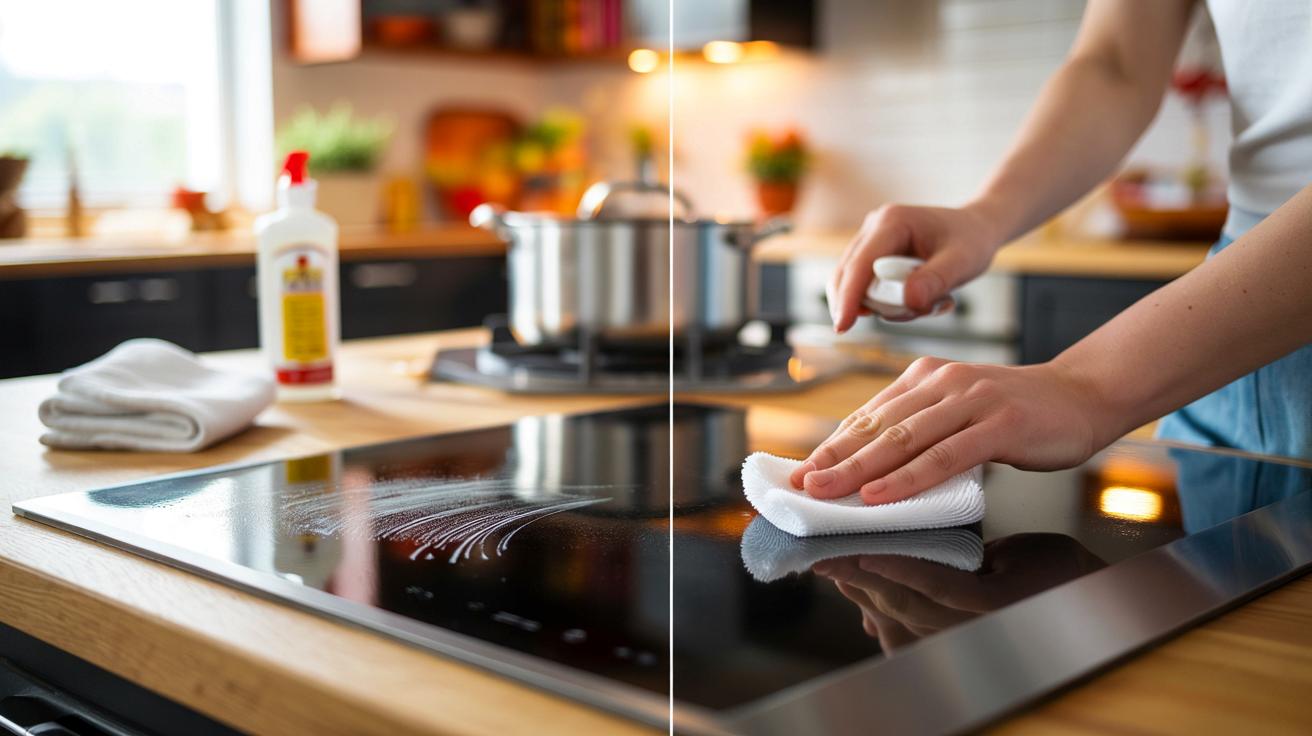
The process always begins with an almost obsessive cleaning. Start by waiting until the cooktop is completely cold, then wipe it with a damp microfiber cloth to remove crumbs and loose grit. Next, use a dedicated glass-ceramic cleaner or a simple mix of a drop of dish soap in warm water, working in small circles.
➡️ Meteorologists warn early February signals suggest the Arctic is entering uncharted territory
➡️ This haircut works well for women over 50 who want movement at the ends
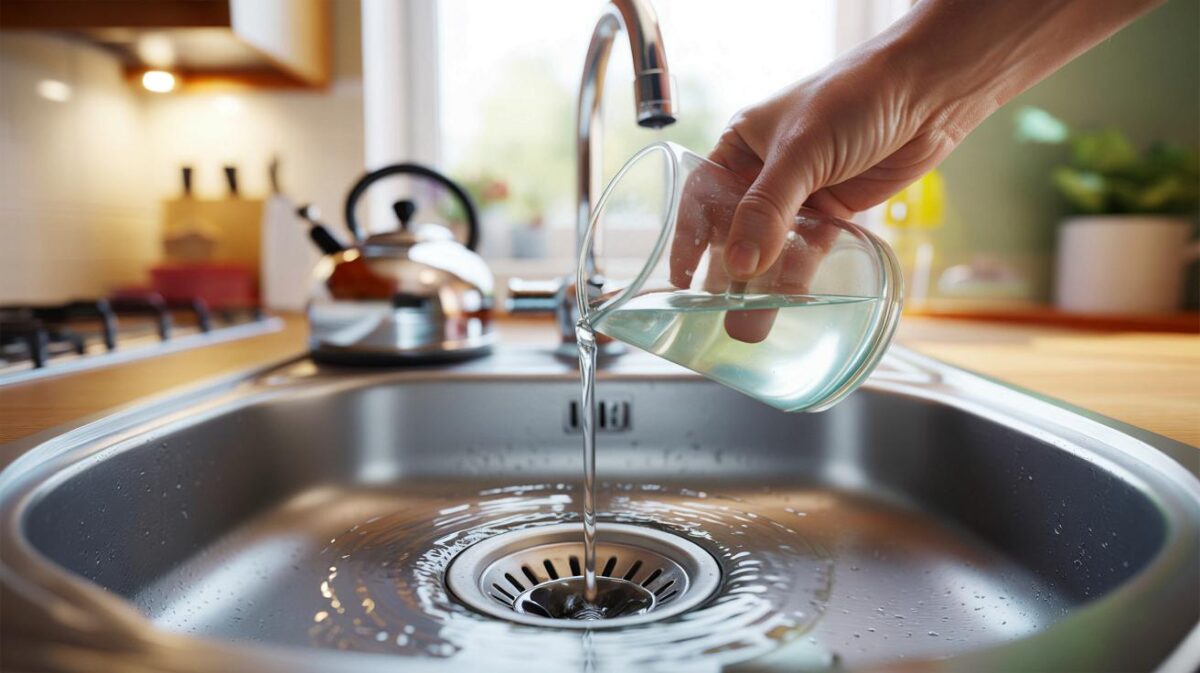
➡️ No vinegar and no baking soda: pour half a glass of this and the drain practically cleans itself
➡️ Neither swimming nor Pilates: the best activity for people with knee pain
Rinse with a clean, slightly damp cloth so no product remains. Then dry entirely with a soft towel or another microfiber. This ultra-clean, dry surface is essential, because the polishing step that follows needs direct contact with the glass, not a layer of grease or dust sitting between.
Once the cooktop is spotless, the “magic” step begins: gentle polishing. Many people use a specific glass-ceramic cream, but a tiny dab of white, non-gel toothpaste or a fine car paint polish can help on very light scratches. Apply a pea-sized amount on a soft cloth, then massage the scratch in small circles, without pressing like you’re scrubbing burnt pans.
Do this for a minute or two on the same area, then wipe, inspect under good light, and repeat if needed. Let’s be honest: nobody really does this every single day. Yet spending ten focused minutes can turn a clearly visible line into a discreet shadow only you notice.
At this stage comes the line between “repair” and “stop before damage”. Avoid aggressive powders, metal scourers, or anything labeled as a strong abrasive. They might remove the scratch, but they’ll leave dozens of micro-scratches everywhere else. After polishing, finish with a protective touch: a small amount of glass-ceramic cleaner or even a specialized protective polish, buffed gently until the surface shines again.
“I thought the only solution was replacing the cooktop,” says Marc, a home renovator. “In the end, four careful steps and a bit of patience were enough: clean, polish, wipe, and protect. The scratch isn’t totally gone, but you have to lean in and search for it.”
- Clean deeply on a cold surface before touching the scratch.
- Use a soft cloth and a mild polishing product, nothing harsh.
- Work in small circles, gently, and check progress under good light.
- Stop if the scratch feels deep or if the glass shows cracks.
- Finish with a protective product to smooth and shine the surface.
Living with a not-quite-perfect cooktop (and keeping new marks away)
Once you’ve done the four steps, there’s a subtle shift: the scratch fades, and so does that sting of regret every time you walk into the kitchen. You know the mark hasn’t vanished from the universe, yet it no longer dominates your view. The cooktop becomes what it really is again: a tool, not a fragile showroom object.
From there, prevention suddenly feels less like a chore and more like protecting the time you’ve just invested. Lifting pots instead of sliding them, wiping spills before they carbonize, and avoiding rough-bottomed pans are small habits that quietly pay off.
We’ve all been there, that moment when a tiny household flaw feels like proof you’re not “taking care” of your stuff properly. Scratches on a glass-ceramic surface hit that nerve, because they’re so visible and so stubborn. Yet they’re also a reminder that a kitchen is a living space, not a museum display.
*Perfection is a silent kitchen with no smells, no stains, and no stories.* Once you accept that a slightly worn cooktop can still look **clean** and **cared for**, the pressure drops and what remains is simply: does it work, and do I feel okay looking at it every day?
The next time you spot a faint line catching the light, you might pause instead of panicking. You’ll remember the four steps, or maybe you’ll share them with a friend who’s convinced their cooktop is ruined. These small domestic “repairs” travel by word of mouth, from neighbor to neighbor, from comment thread to kitchen table.
Every scratch tells a story: of the big family dinner, the rushed breakfast, the experiment that boiled over. The real question is less “How do I erase this completely?” and more “How do I live with my kitchen, and not against it?” A cooktop that’s been gently polished, protected, and used without fear says something quietly reassuring: **this home is alive**.
| Key point | Detail | Value for the reader |
|---|---|---|
| Identify the scratch type | Distinguish surface marks from deep cracks or impacts | Avoid risky DIY fixes on serious damage |
| Four-step method | Clean, polish gently, wipe, then protect | Simple, repeatable routine to fade most scratches |
| Daily prevention | Lift pans, clean spills, avoid abrasive tools | Extend cooktop life and keep it visually pleasing |
FAQ:
- Can deep scratches on a glass-ceramic cooktop really be repaired?Surface scratches can often be reduced with gentle polishing, but deep grooves or cracks usually can’t be fully erased at home and may require professional assessment or replacement.
- Is toothpaste safe to use on my glass-ceramic cooktop?White, non-gel toothpaste with very fine abrasives can help on light marks if used sparingly on a soft cloth, yet a dedicated glass-ceramic cleaner remains the safer, recommended option.
- Will polishing damage the heating zones?Polishing lightly on a cold cooktop with suitable products won’t damage the heating zones, as you’re working on the top surface only, not inside the appliance.
- Can I use baking soda to remove scratches?Very fine baking soda paste can sometimes soften tiny marks, but if the grains are too coarse or rubbed too hard, they can create new micro-scratches.
- When should I call a professional?Call a professional if you see cracks, star-shaped impacts, chips on the edge, or if a scratch feels deep with your fingernail and you’re worried about safety or water infiltration.